


GI Omics study
The GI Omics study is an ongoing biorepository made up of specimens from adolescent patients undergoing bariatric surgery at Boston Children’s Hospital. This includes blood, intestinal and/or stomach tissue, and adipose tissue.
Several of our projects using intestinal epithelial organoids are utilizing intestinal specimens collected as a part of the GI Omics study to study intestinal biology and potential drug targets for obesity and diabetes.
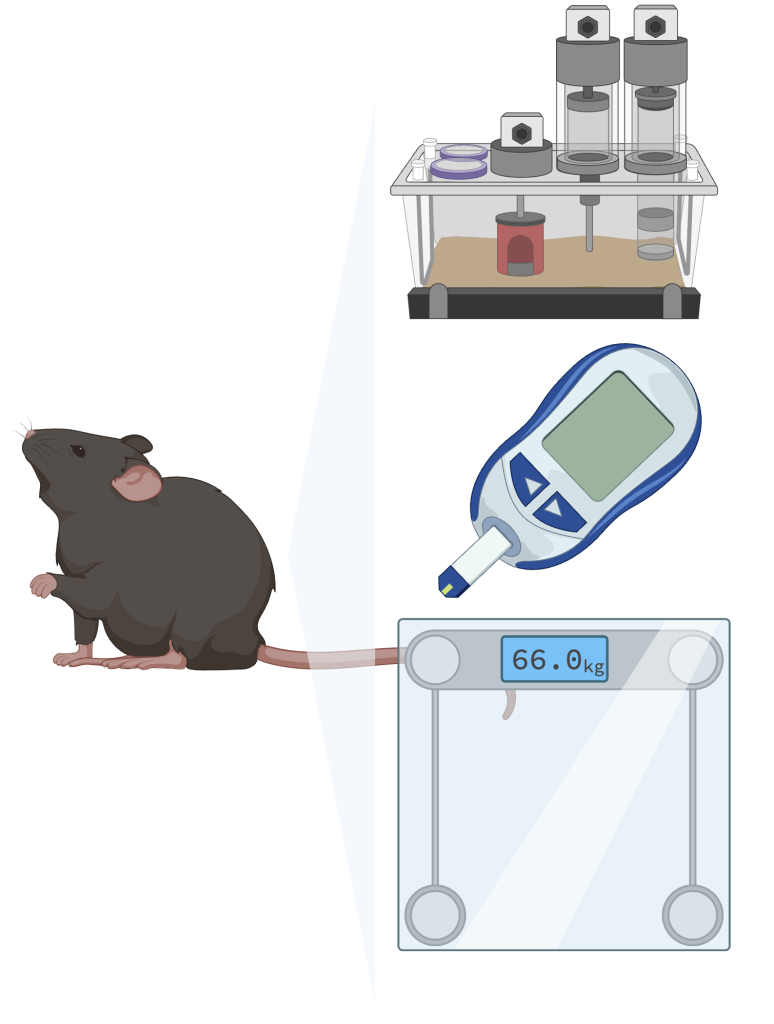
In vivo modeling of potential drug targets mimicking effects of bariatric surgery
Our prior work highlights a role for lipogenesis driven by changes to RXR-related signaling, PPARa and LXR, to contribute to metabolic changes in the intestine after bariatric surgery. We are studying how manipulating these targets in mice influences whole body energy homeostasis, including weight, food intake, blood glucose metabolism, and energy expenditure.
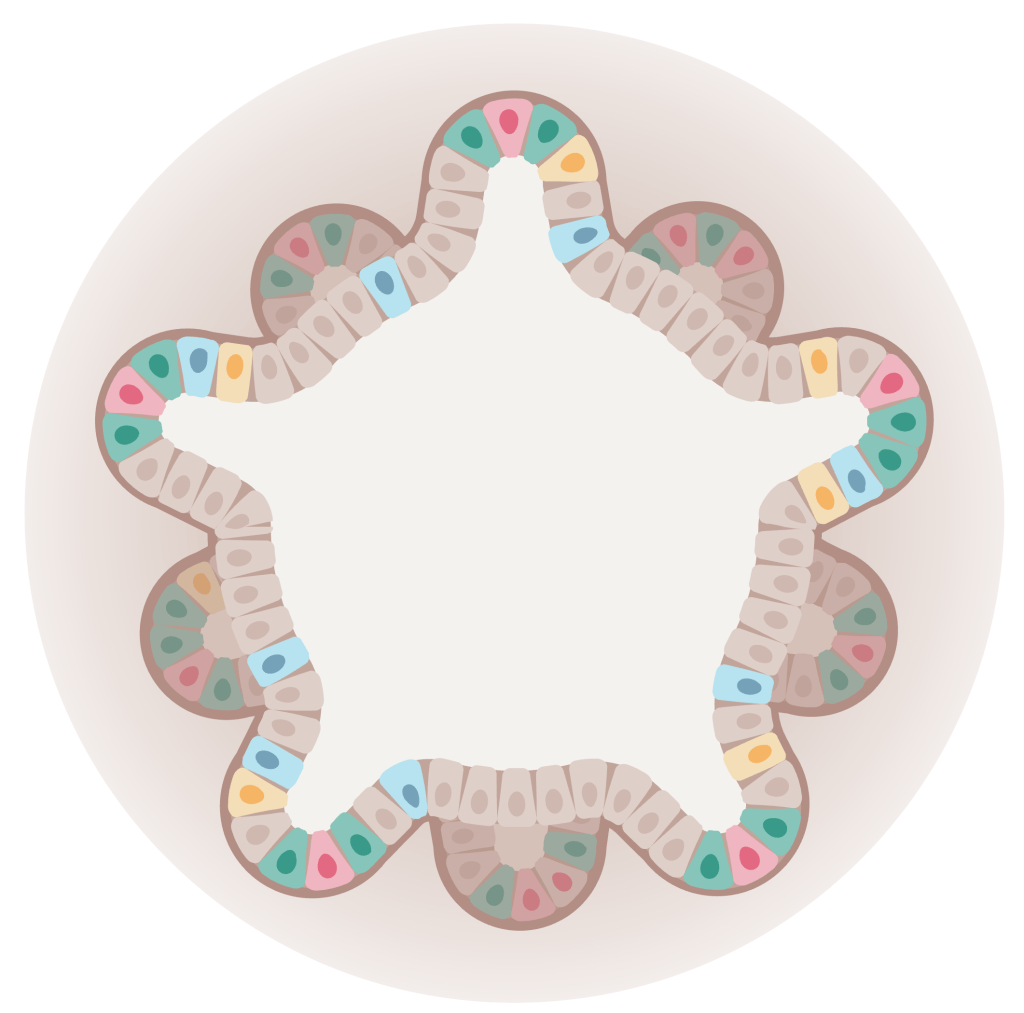
Organoids & Metabolism
We are using human-derived intestinal epithelial organoids to study roles for RXR related signaling in intestinal epithelium, especially as it relates to glucose and lipid metabolism.

Intestinal Adaptation & Epigenetics
We and others have found that, after gastric bypass surgery, the “Roux limb,” or alimentary limb, demonstrates growth, and that this is associated with glycemic improvement in humans. Paradoxically, although patients are in a whole-body catabolic state after bariatric surgery, we find changes to anabolic signaling pathways including those upregulating lipogenesis. We are using genomic and epigenomic approaches in human and mouse tissues, as well as both mouse- and human-derived intestinal epithelial organoids to try to understand what drives these post-bypass changes.

Obesity as a Disease of the Intestinal Epithelium
Newer pharmacologic therapies harness the power of the incretin axis, for example enteroendocrine hormones like GLP-1 and GIP, to help combat obesity and obesity-related disorders. Bariatric surgery also leads to augmented enterocrine signaling. But how the cells that make these hormones might be impaired in patients with obesity is not yet understood. We are studying intestinal epithelial development in organoids from patients with and without obesity (including after bariatric surgery) to try to understand this question.
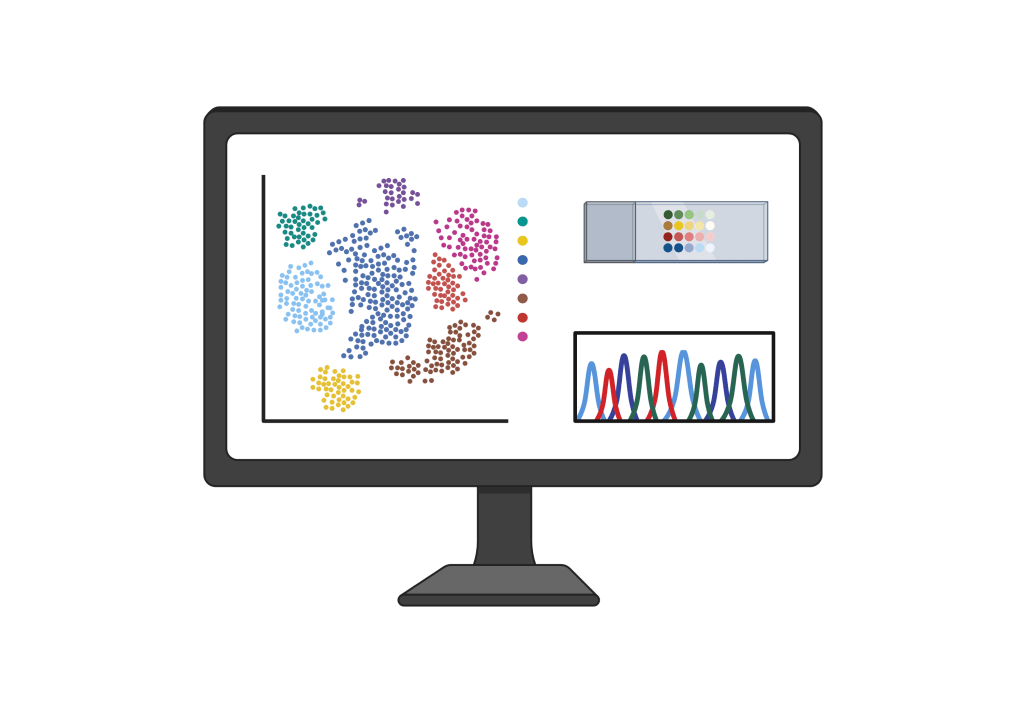
Single Cell Omic Mapping of the Bariatric Intestine
We are utilizing single cell approaches to understand the landscape of the intestinal epithelium across time after gastric bypass surgery (RYGB). We hope that this will help us to further understand the intestinal remodeling that occurs after RYGB.
 Stefater-Richards Laboratory